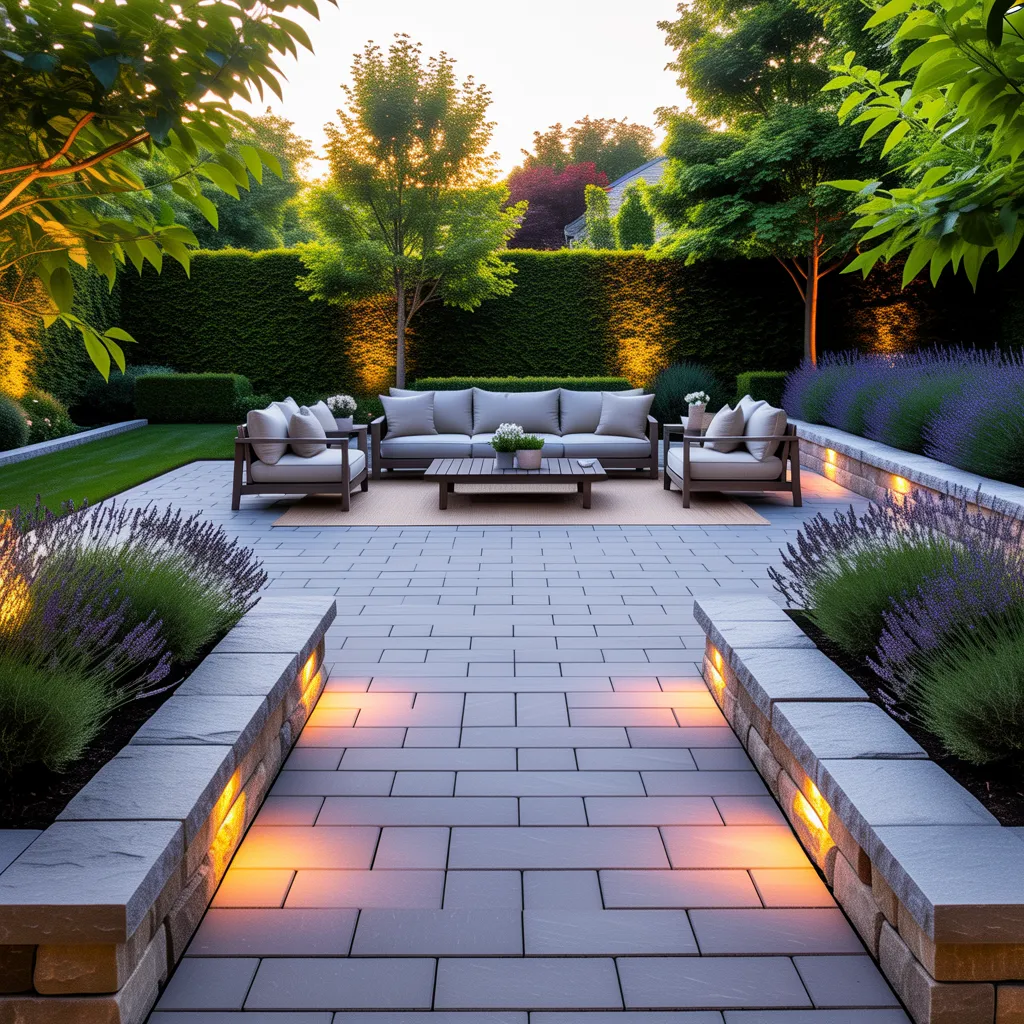
Custom Hardscape Design in San Diego Featuring Walkways and Retaining Walls
Revamp Your Outdoor Space: Expert Landscape Design Solutions Tailored for Your Home
Updating outdoor spaces can greatly upgrade a home's visual appeal and functionality. Professional landscape design services provide tailored plans that factor in regional conditions and personal preferences. With qualified experts leading the project, homeowners can look forward to a seamless fusion of plants, hardscapes, and lighting. Nonetheless, understanding how to work together effectively and set a clear vision remains important. Examining these facets can create a transformative outdoor setting that fulfills both needs and aspirations.
Why Select Professional Landscape Design Services?
When deliberating a modification of surrounding grounds, many dwellers perceive the value of professional landscape design services. These practitioners present a wealth of knowledge and resourcefulness, verifying that the framework aligns with the dweller's desires while amplifying performance and visual refinement. Professionals understand the specifics of regional conditions, soil types, and plant choices, empowering them to produce sustainable landscapes that bloom.
Furthermore, landscape designers can proficiently blend diverse components, such as hardscapes, lighting, and irrigation systems, into a harmonious design. This integrated approach not only enhances visual appeal but also elevates property worth. Likewise, hiring professionals can save time and limit expensive blunders. Their proficiency in handling zoning regulations and obtaining permits supplies extra benefit for homeowners. Ultimately, selecting professional landscape design options can transform outdoor areas into lovely, practical zones that reflect individual styles and enhance overall quality of life.
How to Establish Your Outdoor Vision?
In what ways can homeowners clarify their outdoor vision? To start, they should contemplate their lifestyle and how they desire to utilize the outdoor space. Recognizing specific needs—whether for entertaining, growing plants, or leisure—can guide the design process. Afterward, property owners should research different design options, such as modern, rustic, or tropical, to figure out what suits their style inclinations.
Creating a mood board or gathering pictures from magazines and online platforms can offer visual inspiration and aid in expressing ideas. Additionally, assessing the existing natural features, such as trees and slopes, allows for a more unified design.
Setting a financial limit is essential, as it affects material choices and project scope. Finally, homeowners should reflect on upkeep needs, ensuring the concept is sustainable for their lifestyle. By following this process, understanding develops, creating the foundation for a well-defined outdoor vision that matches their goals.
Working Productively Alongside Your Design Expert
Accomplished engagement with a landscape designer begins with a clear statement of one's vision. It is essential to communicate budgetary constraints openly to guarantee realistic planning. Believing in the designer's competence can guide to novel approaches that harmonize with the client's desires while enhancing the overall landscape.
Establish Your Direction with Clarity
What defines a successful collaboration with a landscape designer? Clarity in vision is crucial. Homeowners must articulate their preferences, living needs, and preferred aesthetic to guarantee the designer understands their expectations. Providing imagery, such as photos or sketches, can significantly improve comprehension. Furthermore, discussing specific elements like color schemes, materials, and plant types helps in polishing the concept. Strong communication is essential; homeowners should feel comfortable sharing their ideas and worries throughout the process. This open dialogue cultivates a robust partnership, enabling the designer to create personalized designs. Ultimately, a well-defined vision serves as a foundational guide, improving the likelihood of attaining a balanced outdoor space that aligns with the homeowner's aspirations.
Share Your Financial Limitations
A clear vision lays the groundwork for effective landscape design, but understanding cost boundaries is equally important. When partnering with a landscape designer, communicating financial limitations associated resource fosters transparency and trust. Clients should provide a realistic budget upfront, which allows designers to offer solutions that align with their budgetary aims. This open dialogue enables the designer to prioritize elements, ensuring that key components are included without overspending. Additionally, discussing budget constraints can lead to innovative options, such as selecting more cost-effective materials or modifying project timelines. Ultimately, a clearly outlined budget empowers both parties to work together effectively, resulting in a landscape that not only meets aesthetic desires but also remains financially achievable.
Trust Their Knowledge Fully
Depending on a outdoor architect's mastery is paramount for realizing a thriving outdoor endeavor. Their substantial background in greenery, components, and design fundamentals empowers them to develop seamless and effective environments. Clients ought to engage in the relationship with a flexible mindset, honoring the designer's recommendations while also articulating their preferences. Direct communication is critical; sharing viewpoints and commentary strengthens a collaborative relationship. Designers routinely have access to alternatives and resources that property owners could overlook, boosting the final design. By honoring the designer's professional judgment, clients can verify that their specific needs are fulfilled while leveraging forward-thinking design methods. In conclusion, this reliance yields an outdoor place that mirrors both personal aesthetic and expert guidance.
Choosing the Right Garden Design Theme for Your Home
How can residents determine the optimal landscape design style that suits their property? First, they should consider the architectural style of their home. A modern house often matches nicely with minimalist landscaping, while a traditional home may gain classic garden elements. Next, homeowners should account for their personal preferences and lifestyle. For instance, those who enjoy entertaining might favor open spaces with seating areas, while nature enthusiasts may lean towards native plants and wildlife-friendly designs.
Furthermore, local climate and soil conditions play vital roles in selecting appropriate vegetation and supplies. Homeowners can also explore different aesthetic approaches, including Mediterranean, Japanese Zen, or cottage gardens, to discover ideas. In conclusion, consulting with a landscape design professional can provide valuable insights customized for the specific property, guaranteeing the chosen style complements both the environment and the homeowner's vision.
How to Plan financially for Your Landscape Makeover?
Preparation for a grounds renovation commences by determining needs, as this supports homeowners in focusing on what features are essential. Secondly, calculating material costs is vital for producing a realistic budgetary framework. By managing these key aspects, people can guarantee a excellent and fulfilling makeover of their outdoor space.
Determine Your Priorities
When commencing on a landscape renovation, understanding one's priorities is critical for effective budgeting. Homeowners should first establish their primary goals, whether it's designing an outdoor recreational area, boosting curb appeal, or enhancing privacy. This understanding helps in distributing resources efficiently. Evaluating the current landscape and determining which elements need immediate attention can also simplify the process. Additionally, it is crucial to consider long-term upkeep and sustainability; investing in durable materials may lower future costs. Establishing a practical budget that reflects these objectives ensures that the project fits with both aesthetic desires and budget limitations. By focusing on needs, homeowners can accomplish a cohesive and satisfying landscape transformation without exceeding budget.
Determine Material Prices
Estimating material costs is a crucial step in organizing a successful landscape makeover. Homeowners should begin by listing all desired elements, such as plants, hardscapes, and lighting. Investigating local suppliers can provide insights into pricing and availability. It's vital to account for additional expenses, including soil, mulch, and tools, which can greatly impact the overall budget. Furthermore, incorporating a contingency fund of 10-20% allows for unexpected costs that may arise during the project. By carefully calculating these expenses, homeowners can guarantee they remain within their budget constraints while achieving their desired outdoor space. Speaking to landscape professionals can also offer expert advice in making well-considered material choices that align with budget constraints.
Critical Service Advice for Your New Landscape Design
Proper preservation is essential for any new landscape design to thrive and preserve its beauty. Regular moistening is critical, especially during the initial growth phase; establishing root systems requires consistent moisture. Laying mulch around plants helps conserve soil moisture, minimize weeds, and control temperature.
Pruning must be done throughout the year to promote robust growth and take out any dead or diseased branches. Fertilization, suited to the individual necessities of plants, boosts nutrient availability and encourages brilliant flowers.
Weed management is necessary; frequent inspection and removal prevent resource competition. Additionally, watching for pests ensures quick intervention, safeguarding plant health.
Seasonal clean-ups, including removing leaves and clearing debris, preserve aesthetics and prevent mold growth. Finally, soil condition should be assessed regularly, with amendments made as necessary to guarantee ideal cultivation environment. By following these upkeep guidelines, homeowners can maintain the charm and integrity of their landscape design.

Frequently Requested Questions
What Resources Function Best for Green Landscaping?
Recycled materials, native plants, permeable pavers, and organic mulches are perfect for green landscaping. These options improve biodiversity, lower water usage, and lessen waste, establishing sustainable spaces that flourish with minimal maintenance.
How Lengthy is a Average Landscape Project Schedule?
A typical landscape project could take anywhere from a few days to many weeks, contingent upon the work's sophistication, size, and the particular installations being added, such as plants, hardscapes, or irrigation systems.
Can Landscaping Increase My Property Value?
Yes, garden design can greatly increase property value. Properly designed landscape areas elevate visual appeal, improve functionality, and attract potential buyers, ultimately leading to higher market prices and a better profit margin for homeowners.
What Are the Most Popular Plants for Local Climates?
The most popular vegetation for local climates typically consist of native species, water-efficient varieties, and long-lasting plants. These selections improve biodiversity, demand less maintenance, and thrive in their respective habitats, rendering them ideal for eco-friendly landscaping.
What Preparations Do I Need to Complete for My Yard Before Landscaping Begins?
To prepare the yard before landscaping, one should clear debris, assess soil quality, pull weeds, and outline intended features. Providing proper drainage and measuring spaces for plants and hardscapes will facilitate a smoother installation process.